Choosing the right collar for your dog is more than just picking out a cute accessory. A safe collar keeps your pet secure, comfortable, and protected during walks, training, or playtime. But with so many options available, how do you know which one is truly the safest for your furry friend? This guide explores different types of dog collars, their benefits, and safety concerns so you can make the best decision for your dog
Why Does Choosing the Right Collar Matter?
Your dog’s collar is more than a fashion statement—it’s a tool for identification, safety, and control. The wrong type of collar can cause discomfort, injury, or even allow your dog to slip out and escape. A safe collar should fit properly, support your dog’s health, and be suited to their size and breed.

What Is a Flat Collar and Is It Safe?
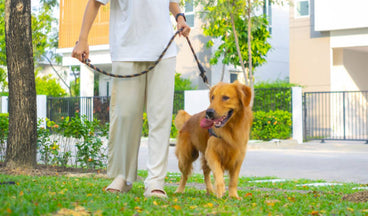
A flat collar is the standard everyday collar most dogs wear. It sits comfortably around the neck and usually comes with a buckle or snap closure. Flat collars are safe for dogs that do not pull excessively and are properly sized. The key is the fit: you should be able to place two fingers between the collar and your dog’s neck. Quick-release buckles add extra safety in case the collar gets snagged.

What Is a Breakaway Collar and Who Needs It?
Breakaway collars are designed to unclasp under pressure if the collar gets caught on something. This prevents choking accidents, especially for dogs that spend time outdoors or play with other dogs. While they are excellent for safety, they are not recommended for leash walks because they may release unexpectedly. Breakaway collars are best for indoor dogs or when your pet is left unattended.

Why Are Martingale Collars Considered Safer for Some Dogs?
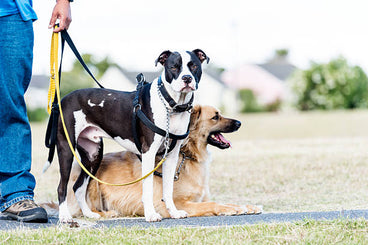
Martingale collars are a great option for dogs with narrow heads, like Greyhounds and Whippets, who often slip out of standard collars. They tighten slightly when pulled but do not choke like chain collars. This makes them safer than choke or prong collars while still giving you better control. If your dog tends to slip out of collars but doesn’t pull excessively, a martingale collar can be a safe choice.

Are Harnesses Safer Than Collars?
For some dogs, a harness is the safest option. Harnesses reduce strain on the neck and are ideal for dogs that pull, small breeds with delicate tracheas, or breeds prone to breathing issues (like Pugs or Bulldogs). A front-clip harness can also help with training by discouraging pulling. Harnesses don’t replace collars for ID tags, but they are an excellent alternative for walking safety.

How Do I Make Sure My Dog’s Collar Fits Properly?
Even the safest collar can be dangerous if it doesn’t fit correctly. A collar that’s too loose can slip off, while one that’s too tight can cause discomfort or choking. The two-finger rule is the gold standard: you should be able to comfortably slide two fingers between the collar and your dog’s neck. Check the fit regularly, especially for growing puppies.

Shop adjustable dog collars here.
Final Thoughts: What Collar Is Safest for My Dog?
The safest collar depends on your dog’s breed, size, and behavior. For most dogs, a flat collar works well. For dogs prone to slipping out, a martingale collar is safer. For pullers or dogs with breathing issues, a harness is the best option. Always prioritize comfort, fit, and safety features when choosing. With the right collar, you can ensure every walk is safe and enjoyable for both you and your dog.