Neck strain in dogs isn’t always obvious at first—but it can lead to long-term issues like pain, coughing, or even tracheal damage. If your dog pulls on the leash or suddenly lunges during walks, their neck may be under more pressure than you think. Many pet owners are now switching from collars to harnesses for this reason. But do harnesses actually prevent neck strain better? Let’s explore how harnesses compare to collars for your dog’s comfort and safety
How do collars affect a dog’s neck during walks?
Traditional collars wrap around the neck and apply direct pressure when your dog pulls or lunges. Over time, this can strain the muscles and ligaments in the neck. For smaller breeds or flat-faced dogs, the risk is even higher because of their delicate tracheas.
- Collars can cause choking, gagging, or coughing
- Risk of neck injuries or slipped discs in active pullers
- May worsen issues in dogs with respiratory problems

How does a harness reduce the risk of neck strain?
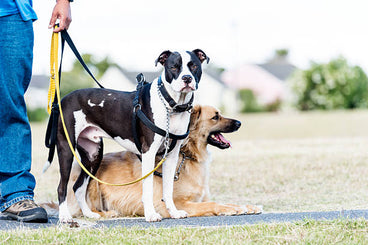
A well-designed harness wraps around the chest and shoulders, not the neck. This distributes pressure evenly across the dog’s body when tension occurs—reducing the impact on the neck. It allows you to guide your dog with better control while minimizing injury risk.
- Relieves tension from the neck and throat area
- Reduces risk of choking and trachea collapse
- Encourages better posture and leash manners

Which dogs benefit most from using a harness?
While almost any dog can use a harness, some benefit more than others. Small breeds, brachycephalic dogs (like pugs or bulldogs), dogs with past neck injuries, and those that pull frequently are ideal candidates for harness use.
- Small dogs: Fragile neck structure, prone to tracheal issues
- Flat-faced breeds: Already struggle with breathing
- Pullers: Safer pressure control for strong or energetic dogs
- Seniors: Supports joints and muscles better than collars

Harnesses for Every Breed Type
Do vets and trainers recommend harnesses over collars?
Yes—many veterinarians and dog trainers recommend harnesses, especially for dogs prone to pulling or respiratory issues. Trainers also favor harnesses because they give pet parents more control during walks without using force or pressure on the neck.
- Harnesses are safer during behavior training
- Vets prefer harnesses for dogs with medical sensitivities
- Helps reinforce calm leash behavior without harm

Trainer-Approved No-Pull Harnesses
Are front-clip harnesses better for reducing strain?
Front-clip harnesses are designed with a leash ring on the dog’s chest. This setup redirects the dog’s momentum when they try to pull, naturally turning them toward you. This gentle redirection not only reduces neck strain but helps improve walking behavior over time.
- Reduces pulling with gentle steering
- Improves focus and responsiveness on walks
- Less tension for both you and your dog

What harness features prevent neck and shoulder discomfort?
Not all harnesses are created equal. The best ones for preventing discomfort include padded straps, breathable materials, and adjustable points for a snug fit. Look for harnesses that avoid pressure on the throat and allow full range of motion.
- Padded chest plate and belly panels
- Adjustable around neck, chest, and belly
- Made from soft, breathable fabric
- Lightweight buckles that don’t dig in

Are harnesses harder to put on than collars?
While collars are quicker to snap on, modern harnesses are designed with easy-use features like step-in designs, quick-release buckles, and color-coded straps. Once you get used to the fit, putting on a harness takes only a few extra seconds—and the safety trade-off is worth it.
- Step-in and overhead harnesses are both simple to use
- Look for quick-snap buckles to save time
- Some models include labeled straps (left/right) for faster setup