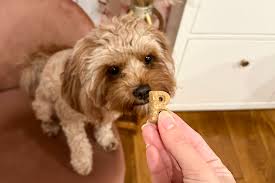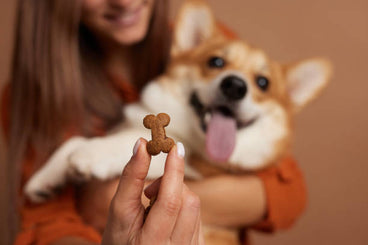
Dog food and dog treats may look similar, but they serve very different purposes in your dog’s diet. While both can be tasty and even healthy, only one offers full nutritional support. In this blog, we’ll break down the key differences in ingredients, calories, and purpose—so you can make better decisions for your pup’s health.
What is dog food made for?
Dog food is designed to provide a complete and balanced diet. It includes proteins, carbohydrates, fats, fiber, vitamins, and minerals—everything your dog needs to stay healthy long-term. It’s regulated by organizations like AAFCO to ensure it meets daily nutritional standards.
Whether it’s dry kibble, wet food, or freeze-dried meals, dog food should always be your dog’s main source of nutrition.

What are dog treats meant for?
Treats are made to reward your dog or help with training. They are not nutritionally complete and are meant to be given in small amounts. Most treats are higher in fat or flavor enhancers to make them extra tasty, but they often lack the balance of essential nutrients.
Some treats are healthier than others, especially if made with single ingredients like chicken, liver, or fish.

How do the calories compare between food and treats?
Dog food is balanced for your dog’s daily calorie needs. One serving gives your dog energy without excess fat or sugar. Treats, on the other hand, are often calorie-dense. Just a few can equal a full cup of kibble in calories—especially soft chews or biscuits.
This is why treats should never make up more than 10% of your dog’s daily calories.

Are there nutritional labels for dog food and treats?
Yes, but they mean different things. Dog food labels must meet AAFCO standards and list guaranteed analysis (like protein %, fat %, fiber %). Treats don’t have to meet these standards, so the nutritional info can be basic or even missing.
Always check the ingredient list and avoid treats with fillers, artificial flavors, or added sugar.

Can treats ever replace a meal?
Not really. While some treats are high in protein or made from real meat, they still lack the full profile of nutrients your dog needs. If you’re in an emergency and out of food, treats can be used once—but it should never be a regular replacement.
For backup, keep freeze-dried or canned meals on hand instead.

Are dental treats or supplements the same as food?
Dental chews and supplements may offer health benefits, but they are still considered treats. Even though they support teeth or joints, they should be counted toward your dog’s treat intake—not as food.
Be careful: some dental sticks contain 100+ calories. Give them in moderation and reduce other treats that day.

What’s the main nutritional difference?
The biggest difference is balance. Dog food is balanced for daily health—treats are not. Dog food includes:
- Essential amino acids
- Balanced fats (like omega-3 and 6)
- Fiber for digestion
- Vitamins and minerals like calcium and zinc
Treats usually focus on one or two of these nutrients, but not all.
What happens if I give too many treats?
Overfeeding treats can lead to:
- Weight gain
- Poor appetite for real meals
- Upset stomach or diarrhea
- Nutritional imbalances over time
If your dog is gaining weight or skipping meals, cut back on treats and stick to scheduled feeding.

Shop Light & Digestive-Friendly Treats
How can I balance treats in my dog’s diet?
Treats should be fun—but controlled. Use these tips to keep them healthy:
- Use treats for training, not random snacking
- Break larger treats into smaller pieces
- Substitute part of your dog’s meal as treats when training
- Choose treats with added benefits (like joint or skin support)
Keep track of calories and read labels to make smarter treat choices.