Training treats are a powerful way to reward your dog and reinforce good behavior. But giving too many, or using the wrong kind, can lead to weight gain or an unbalanced diet. So, how do you find the perfect treats that motivate your dog without disrupting their main nutrition? In this blog, we’ll explore the best types of training treats, how to use them responsibly, and how to maintain a healthy feeding balance.
Why is it important to choose the right training treat?
Training often involves giving your dog dozens of small rewards throughout the day. If these treats are high in calories, fat, or sugar, they can quickly add up—causing your dog to gain weight or skip meals. The right training treat should be:
- Low in calories
- Small in size or easy to break
- Highly motivating in taste
- Made with healthy, natural ingredients
Choosing wisely keeps your dog focused and healthy.

Shop Low-Calorie Training Treats
How many training treats can I give in a day?
Use the 10% rule: treats (including training treats) should make up no more than 10% of your dog’s total daily calories. For example, if your dog needs 600 calories per day, only 60 of those should come from treats.
This means choosing treats with around 2–5 calories each and giving them in moderation based on your training schedule.

What treat types are best for training sessions?
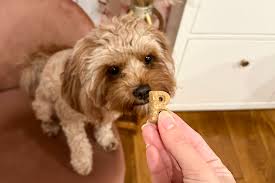
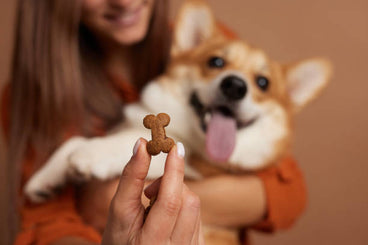
Not all treats work well for training. The best ones are small, soft, and quick to chew. These help maintain focus and avoid long breaks. Popular training treat types include:
- Soft chews: Gentle on the mouth and easy to swallow
- Freeze-dried meat: High reward, single ingredient
- Mini biscuits: Crunchy but sized for repetition
- Breakable jerky: Tear into small pieces to last longer
Choose the format that fits your dog’s preferences and training pace.

Are there healthy ingredients to look for in training treats?
Yes. Training doesn’t have to mean junk food. Look for treats with:
- Lean proteins (chicken, turkey, salmon)
- Limited ingredients to avoid allergens
- No added sugar or salt
- Natural preservatives like mixed tocopherols
Treats with added benefits like omega-3s or vitamins can even support overall wellness.

Shop Natural Ingredient Dog Treats
How can I avoid overfeeding during long training sessions?
Here are a few ways to train smarter and avoid overfeeding:
- Use part of your dog’s regular kibble as training rewards
- Break up larger treats into small bits
- Mix low-calorie treats with higher-value rewards
- Keep a daily treat log to track calories
Keeping your dog engaged doesn’t require large or frequent treats—just good timing and variety.

Shop Kibble-as-Treat Training Packs
Can I use homemade treats for training?
Yes! Homemade training treats can be a great option. Try:
- Boiled chicken pieces (unseasoned)
- Cooked sweet potato chunks
- Scrambled egg bits
- Frozen banana slices
Just make sure treats are soft, low in fat, and easy to handle during training.

Should puppies use different training treats?
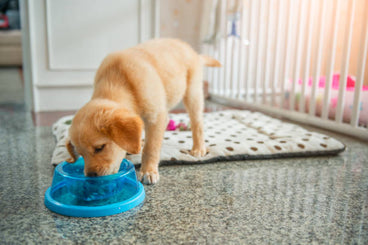
Yes. Puppies have more sensitive stomachs and smaller mouths. Puppy training treats should be:
- Softer and easier to chew
- Free from artificial additives
- Appropriate for age (look for “puppy safe” labels)
Some treats even contain DHA for brain development, making them perfect for growing pups.

What if my dog loses interest in treats during training?
Some dogs lose motivation if the treat is bland or repeated too often. Keep your training exciting with:
- High-value treats for big milestones
- Rotating flavors every few days
- Occasional surprise with favorite food (like liver or cheese)
- Offering praise or toys as alternate rewards
Switching things up helps keep focus and energy high.

Shop High-Reward Training Treats