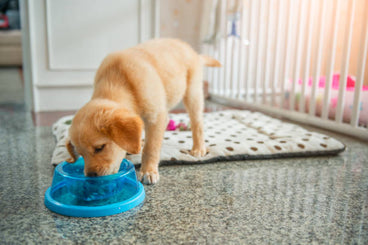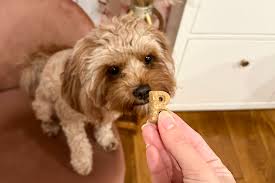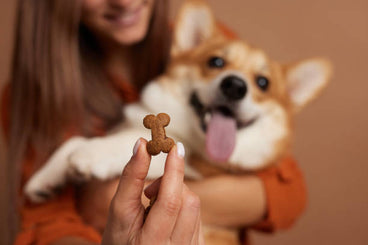
When you’re training a puppy, every reward counts—both for reinforcing good behaviour and keeping your pup motivated and happy. Using large, hard or high-calorie treats can slow down training sessions, overfill your puppy’s tummy and distract from the learning process. Instead, the best training treats are tiny, tasty, easy to chew and quick to swallow so your puppy can go straight back to the next command. For compact and training-friendly treat options

browse training-friendly puppy treats here.
Good treats also support your puppy’s growth and health. Puppies have sensitive digestive systems, so training treats should complement—not replace—their regular food. Moderation, frequent small rewards and high-value flavour all combine to keep your pup engaged, excited and learning at the right pace.
What Features Should You Prioritise in Training Treats?
Expert trainers highlight a few key features: small size (so you can give many rewards without overdoing calories), soft or moist texture (easy for puppies to chew), high flavor value (to keep their attention), and simple, quality ingredients (so fewer stomach upsets). Many top lists emphasis treats with just 2–3 calories each and minimal fillers. For high-value low-cal treats

shop low-calorie puppy training treats here.
It’s also useful if the treat is easy to break or comes in tiny pieces—this way you can reward incremental behavior with minimal fuss. A resalable pouch or portable container helps during walks, training classes or quick sessions at home so you’re always ready to reward immediately after the correct behavior.
Which Ingredients Work Best (And What Should You Avoid)?
Look for treats that list a named animal protein (like chicken, lamb or salmon) as the first ingredient. Many of the highest-rated puppy training treats use real meat and include added nutrients such as DHA or Omega-3 for brain and eye development. On the other hand, steer clear of treats that are heavy in generic “meat by-products”, large amounts of fillers (corn, wheat, soy) or artificial flavours and colours which can trigger digestive or skin issues in some pups. For wholesome ingredient treats

find healthy-ingredient puppy treats here.
In cases where your puppy has food sensitivities or allergies, you might prefer single-ingredient or limited-ingredient treats. These help you avoid risk factors while still keeping training consistent and effective. For puppy-safe treats with minimal ingredients
How Many Treats Can I Give During a Training Session?
Training sessions often involve many repeated commands, so keeping the treat size small is key. Many trainers recommend using treats that contain just a few calories each, because frequent rewards add up fast. As a general rule, treats should comprise about 10% or less of your puppy’s daily calorie intake, so their regular meals still cover most nutrition. For training treats suitable for daily use

explore budget-friendly puppy training treats here.
Another tip: break a treat into smaller pieces when you’re practicing more advanced commands or distractions—this lets you reinforce quickly without offering a full treat each time. Always measure and track treat use so the rest of your puppy’s diet remains balanced and you avoid unintended weight gain.
When Should You Use Special High-Value Treats?
While everyday commands like “sit” or “come” can use standard training treats, high-value treats should be reserved for more challenging training scenarios—like outdoor distractions, new environments or behavior shaping. These treats are stronger in scent or flavor, making them more motivating during harder training moments. For top high-value treat choices

Shop premium training treats here.
Saving these “top tier” treats maintains their power. If you use high-value treats too frequently for basic commands, their impact can drop. Keeping a hierarchy of treat value helps your puppy understand when it’s a major win versus a routine cue.
Final Thoughts: Making Training Fun, Effective and Healthy
The best puppy training treats help support consistent training, lightweight rewards, and your puppy’s health. Pick small, high-flavor, low-calorie treats with good ingredients, use them frequently for short bursts of training, and reserve special treats for tougher sessions or high distractions. Your puppy will respond faster, stay motivated and look forward to each “yes!” moment. To start your training off right
View the top puppy training treats collection here.
Remember: training is not just about the treat—it’s about timing, encouragement, praise and consistency. Give the treat *immediately* after your puppy performs the correct behaviour, use your voice and affirmation alongside it, and you’ll build strong habits from day one.