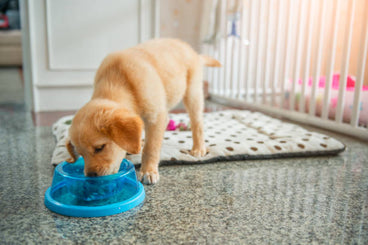
Puppies grow fast—and their nutritional needs are very different from adult dogs. From the food they eat to the treats they enjoy, giving puppies the right diet early on is key to building strong bones, healthy organs, and a balanced immune system. In this blog, we’ll explore why puppies should eat differently, what foods are best for them, and how to safely introduce treats during their early months.
Why do puppies need different food than adult dogs?
Puppies are in a rapid growth phase. Their bones, joints, brain, and muscles are all developing. They need food that’s higher in calories, protein, calcium, and essential fats to support this growth. Adult dog food often lacks these extra nutrients and may not meet a puppy’s energy needs.
Feeding adult food to a puppy too early can result in poor development and nutritional gaps.

What should be in puppy food for healthy development?
High-quality puppy food should include:
- More calories per cup
- Higher protein content (around 22–32%)
- Added DHA for brain and eye development
- Calcium and phosphorus for bones and teeth
- Easily digestible ingredients for sensitive tummies
Puppy food is often smaller in size, softer in texture, and more nutrient-dense than adult kibble.

Shop Nutrient-Rich Puppy Foods
When should a puppy switch to adult food?
Most puppies can transition to adult food between 12 to 18 months, depending on their breed size:
- Small breeds: around 10–12 months
- Medium breeds: around 12 months
- Large breeds: 15–18 months
Always consult your vet before switching. A gradual transition over 7–10 days helps avoid tummy upset.

Can puppies eat adult dog treats?
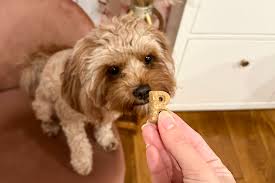
Not all adult dog treats are safe for puppies. Many are too hard, too large, or not nutritionally suitable. Puppies have sensitive stomachs and tiny teeth, so their treats should be:
- Soft or chewy
- Small enough for safe chewing
- Free of artificial flavors, sugar, or additives
- Easy to digest
Look for treats labeled “for puppies” or “safe for all life stages.

What kinds of treats are best for training puppies?
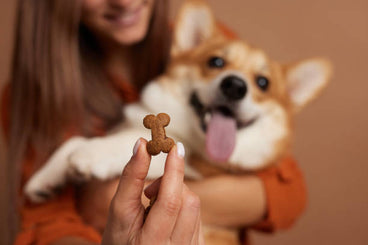
Training a puppy requires lots of repetition—and lots of treats. Choose low-calorie, soft, bite-sized treats that can be given often without overfeeding. Ideal training treats include:
- Freeze-dried meat bites
- Mini soft chews
- Single-ingredient treats (like chicken or liver)
- Grain-free training nibbles
Keep treats small and reward consistently during behavior learning.

Shop Training Treats for Puppies
How many treats can a puppy have per day?
Treats should never make up more than 10% of your puppy’s daily calories. Over-treating can lead to digestive issues or unhealthy weight gain. For example:
- A 10-pound puppy may need around 300–400 calories/day
- Only 30–40 of those calories should come from treats
Always read the calorie content per treat and adjust meal sizes if needed.

Can puppies eat human food as treats?
Some plain, natural foods can be safe for puppies in small amounts, such as:
- Boiled chicken (no seasoning)
- Scrambled egg
- Cooked carrots or green beans
- Plain pumpkin or sweet potato
Avoid harmful foods like chocolate, onions, grapes, or anything spicy or salty.

Shop Natural Ingredient Puppy Treats
What happens if a puppy eats adult food or treats too early?
Feeding adult products too early can lead to:
- Stunted growth or bone issues (especially in large breeds)
- Low energy or dull coat
- Digestive upset or allergies
- Missed nutrient milestones
It’s best to stick to age-specific formulas for the first 12 months.

Shop Life Stage Nutrition Options