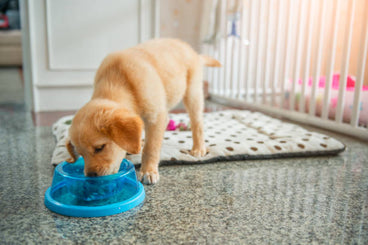
Feeding the correct amount keeps your dog at a healthy weight, supports energy levels, and prevents problems like obesity or malnutrition. Too much food leads to rapid weight gain and joint stress, while too little can cause low energy, poor coat quality, and slower growth in puppies. The right portion supports digestion, mood, and overall health — it’s one of the simplest, most important ways to help your dog thrive. For portion-control tools and measured feeders

How do age and life stage affect feeding amounts?
Puppies, adults and seniors have very different needs. Puppies need more calories per pound to fuel growth and usually eat three to four small meals daily until about six months. Adult dogs typically do well on two meals per day, while seniors may need adjusted calories or special diets depending on health. Always follow life-stage guidance on the food label and check with your vet when your dog moves between stages. To find life-stage specific food

browse puppy adult and senior formulas here.
How does breed and size change portion sizes?
Small, medium and large breeds metabolize calories differently. Small dogs burn more calories per pound and may need calorie-dense food in smaller volumes, while large breeds need larger portions but often lower calorie density to support healthy growth and joint health. Giant-breed puppies require specially formulated foods with controlled calcium and calories. Use size-based feeding charts as a starting point and adjust from there. For breed- and size-appropriate diets

Explore size-specific dog foods here.
How do activity level and lifestyle influence feeding?
An active working dog or athletic breed needs far more calories than a mostly indoor, low-activity companion. If your dog does daily long walks, runs, agility or field work, increase portions or add higher-energy food. For couch-potato pets, reduce portions and prioritize lower-calorie formulas to avoid weight gain. Monitor body condition and adjust every few weeks based on energy and weight changes. For high-energy formulas

Shop active-dog nutrition here.
How to use food packaging and calorie info correctly?
Food bags and tins give feeding ranges based on weight, but those are guidelines — not exact rules. Look for kcal/kg or kcal/cup on the label (calories are the real measure) and calculate your dog’s daily calorie needs (resting energy plus activity). Divide that calorie target by your food’s kcal per cup to find a precise daily portion. If math feels tricky, many product pages and vet apps can calculate this for you. For easy calorie-tracking foods

find calorie-labeled dog foods here.
How many meals per day should I feed my dog?
Most adult dogs do well with two meals per day — morning and evening — which helps with digestion and routine. Puppies usually need three to four smaller meals until they’re older, then transition to two. Seniors or dogs with medical conditions might benefit from more frequent, smaller portions to manage blood sugar or digestion. Consistent meal times also help with training and bathroom schedules. For portioned meal solutions

What about treats, toppers and extras?
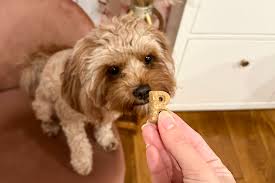
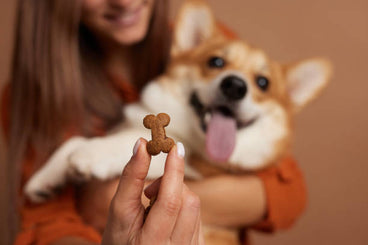
Treats should be treats — they should not replace balanced meals. Keep treats to about 10% or less of your dog’s daily calories. If you use toppers or wet food as a mixer, subtract that from the total daily portion to avoid overfeeding. Choose healthy, low-calorie training treats for frequent rewards and reserve richer treats for special occasions. For healthy treat options and toppers

browse low-calorie dog treats here.
How do I tell if I should increase or decrease portions?
Watch your dog’s body condition: you should be able to feel ribs with a light fat covering and see a waistline from above. If you see excess fat or no visible waist, reduce portions; if ribs show too clearly or energy is low, increase slightly. Weigh your dog or use a body condition score every few weeks while adjusting food slowly over 7–10 days. Always consult your vet if weight changes are sudden or if your dog has health concerns. For body-condition guides and scales

Final tips for consistent, healthy feeding
Measure every meal with the same cup or scale, stick to scheduled feeding times, and record any treats or table scraps. When switching foods, transition gradually over 7–14 days to avoid tummy upsets. Regular vet checkups and weight checks will keep portions aligned with your dog’s needs as they age or change activity levels. With measured portions and regular monitoring, your dog will stay fit, happy and full of life. For measured feeding tools and starter kit bundles