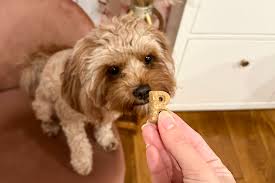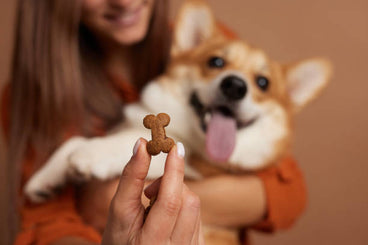
Different dog breeds have different nutritional needs. A large breed like a Great Dane or Labrador Retriever needs food that supports bone and joint health and controls growth rate, while a small breed like a Chihuahua or Pomeranian has a faster metabolism and needs denser energy and smaller kibble. By choosing food tailored to your dog’s breed size and naturally expected activity level, you give them a diet that supports their particular body structure and risk-factors. For breed-specific options

Shop dog foods matched to your dog’s breed size here.
How Do Size and Life Stage Interact with Breed Needs?
Your dog’s size (small, medium, large) and life stage (puppy, adult, senior) work together with breed to determine the best food. For example, large breed puppies require formulas with controlled calcium and phosphorus to avoid rapid bone growth, which can cause joint problems later. :contentReference[oaicite:5]{index=5} On the other hand, smaller breeds may benefit from energy-dense formulas since they burn more calories relative to their size. Choosing based on breed, age and size ensures you’re feeding the right balance of protein, fat and essential nutrients. For life-stage and breed matched diets

Browse puppy adult and senior formulas by breed size here.
What Ingredients Should You Look for (and Avoid) for Your Dog’s Breed?
Reading the label is essential. Look for high-quality named animal proteins (like chicken, beef, fish) as the first ingredient because they provide the building blocks for muscle, tissue repair and energy. Avoid generic terms like “meat by-product” or “animal fat” which hide the actual source. Also avoid foods with excessive fillers like corn, wheat or soy if your dog has a breed-prone sensitivity. For formula details that suit breed health issues

How Does Activity Level and Health Risk Impact Your Breed’s Diet?
Breeds that are highly active, working or sporting dogs (for example, Border Collie, German Shepherd) often need more calories and higher protein than a more sedentary breed Also, some breeds are prone to certain health concerns (large breeds → joint issues; brachycephalic breeds → weight control; small breeds → dental issues) and their food should reflect that (e.g., joint supplements, smaller kibble, lower-calorie formulas). For specialized diets based on your dog’s risk profile

find tailored dog foods for breed health needs here.
When Should You Consult Your Vet Regarding Breed-specific Nutrition?
If your dog has a breed-specific health condition (like hip dysplasia, cardiac issues, or allergies), it's wise to consult a veterinarian or pet nutritionist. They can advise on special formulas or supplements that are best for your dog.Also, when switching foods—even to a better breed-specific formula—transition gradually over 7-14 days to avoid digestive upset. For expert guidance

seek vet-recommended dog food here.
Final Thoughts: Match Food to Breed for Lifelong Health
Choosing the right food based on your dog’s breed means looking at size, life stage, activity level and health risks together. A well-chosen diet supports strong bones, healthy joints, shiny coat, controlled weight and good digestive health. No single food fits every breed, so use breed-specific guides plus good label reading and vet advice. For your dog’s best nutrition match