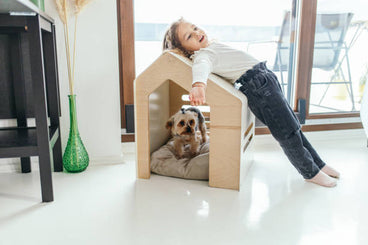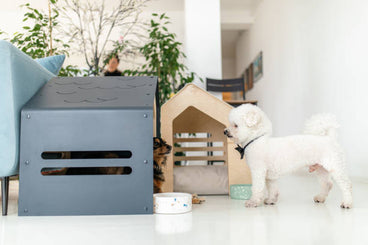
Choosing between a **dog house** and a **dog bed** depends on your dog’s needs, lifestyle, and living environment. While both offer a space for rest and security, they serve different purposes. If you're unsure which is right for your pup—or if you need both—this guide breaks down the key differences and helps you make the best choice for comfort, safety, and convenience.
What is a dog house used for?
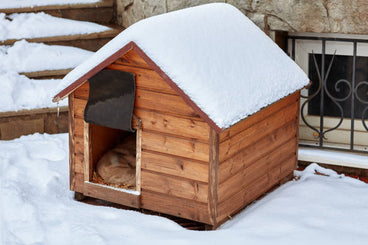
A **dog house** is an enclosed shelter designed mainly for outdoor use. It’s built to protect your dog from the weather—like rain, sun, and wind. Most dog houses are made from wood, plastic, or metal and are shaped like a small cabin with a roof and doorway.
- Provides shade and warmth
- Protects from cold or rain
- Gives dogs a safe outdoor zone

What is a regular dog bed for?
A **dog bed** is usually used indoors. It’s designed for comfort, offering a soft, warm spot for sleeping and relaxing. Dog beds come in many shapes, sizes, and materials—from cushioned mats to orthopedic memory foam loungers.
- Soft and cozy for daily naps
- Helps with joint support and comfort
- Fits inside crates or beside your own bed

Is a dog house better than a bed for outside use?
Yes. If your dog spends time outdoors, a **dog house** is the safer choice. It shields against extreme weather, keeps your dog dry, and can offer insulation in winter. A bed alone won’t protect your pup from the elements—it may even soak up water and cause more harm than comfort.
- Dog houses are weatherproof
- They offer roofed, enclosed protection
- Beds left outdoors may mold or rot

Are dog beds more comfortable than houses?
For indoor lounging, yes—**dog beds are typically softer and more comfortable**. They're made with padding, memory foam, or plush fabric that helps cushion joints and muscles. Many dog houses have no padding inside unless you add a separate mat or bed.
- Dog beds are made for comfort and rest
- Ideal for puppies, seniors, and indoor pets
- Helps reduce pressure on hips and joints

Can I put a bed inside a dog house?
Yes! In fact, many dog owners do this to make their dog’s outdoor shelter even more comfortable. Just make sure to use a **water-resistant or elevated dog bed** so it doesn’t absorb ground moisture or get too cold.
- Look for beds labeled outdoor-safe
- Use raised beds to keep off the floor
- Add blankets or liners in colder months

Which is better for travel or portability?
**Dog beds** are lighter and easier to carry, making them ideal for travel, visits, or temporary setups. A **dog house** is usually stationary and can be bulky or heavy. For RV trips or camping, soft-sided beds are much more convenient.
- Dog beds can roll or fold
- Great for crates, cars, and hotels
- Dog houses are best left in one spot

Are both necessary, or can I just choose one?
It depends on your dog’s routine. If your dog lives mostly indoors, a **good-quality bed** is enough. If your dog spends time outside during the day or naps in the yard, adding a **dog house** is a smart idea. Some dogs enjoy having both options.
- Indoor dogs: stick with a cozy bed
- Outdoor or mixed dogs: consider both
- Senior dogs: prioritize comfort and warmth