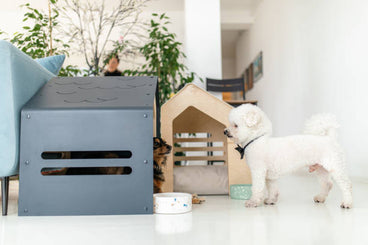
If you’ve ever walked into a room and immediately caught a whiff of that unmistakable “dog smell,” you’re not alone. Many pet owners struggle with keeping their home fresh—especially when their dog’s bed becomes a magnet for odors and allergens. Fortunately, there are **specially designed dog beds** that help reduce smells and trap dust, dander, and allergens. Let’s explore how they work and what to look for.
What causes dog beds to smell?
Dog odor builds up from a combination of **natural oils, sweat, drool, and dirt** that get trapped in fabric over time. Beds that are hard to clean—or made with cheap materials—tend to lock in these smells. Bacteria and moisture also play a big role in creating that unpleasant odor.
- Trapped moisture from wet fur or paws
- Bacteria feeding on organic material
- Infrequent washing or poor ventilation

Do odor-resistant dog beds really work?
Yes! **Odor-resistant beds** use special fabrics or technologies that help prevent smell buildup. Some common features include:
- Antimicrobial coatings to stop bacteria growth
- Water-resistant covers to block moisture
- Odor-absorbing materials like charcoal or baking soda layers
These beds won’t eliminate every smell forever, but they greatly reduce odors between washes.

What about allergens—can dog beds trap those?
Absolutely. Many modern dog beds are designed to be **hypoallergenic**, which means they resist dust mites, pet dander, pollen, and mold. These beds are great for dogs (or owners!) with allergies or asthma.
- Tightly woven fabrics keep dust out
- Removable covers make frequent washing easy
- Memory foam or latex cores resist allergens better than cotton fill

How important is washing when it comes to odor and allergy control?
Regular washing is the **most effective way** to reduce dog bed odors and allergens. Even the best bed will start to smell if it’s not cleaned properly. Look for:
- Removable, machine-washable covers
- Waterproof liners to protect the foam
- Quick-dry fabrics that prevent mildew
Aim to wash the cover every 1–2 weeks and spot clean in between as needed.

Which materials are best for odor and allergen control?
Not all dog bed fabrics are equal. Some hold up better against odor and allergens. Here’s what to look for:
- Microfiber: Soft, breathable, and moisture-resistant
- Nylon or polyester: Durable and easy to clean
- Memory foam: Resists dust mites and offers orthopedic support
- Latex: Naturally antimicrobial and hypoallergenic
Avoid cotton fill if possible—it traps moisture and allergens easily.

Do these beds help with dog allergies too?
Yes! If your dog suffers from skin sensitivities or environmental allergies, hypoallergenic and odor-resistant beds can help reduce flare-ups. They:
- Limit exposure to dust, mold, and mites
- Keep your dog’s sleeping area drier and cleaner
- Reduce itching and skin irritation
Clean bedding = less licking, scratching, and discomfort.

Are these beds more expensive?
They can be slightly more expensive upfront, but the investment is worth it. These beds:
- Last longer due to better materials
- Need fewer deep cleanings
- Improve your home’s air quality
Over time, you’ll save on replacements—and maybe even fewer allergy medications for your pup.
How do I choose the right size and style?
When choosing an odor- or allergy-fighting dog bed, make sure it’s also comfortable and correctly sized. Tips:
- Measure your dog from nose to tail and add a few inches
- Consider orthopedic memory foam for senior dogs
- Choose colors and shapes that fit your home’s style
A clean home starts with a clean bed your dog actually loves to use.