Keeping your dog safe while driving is just as important as buckling up yourself. But with so many travel options available—like seat belts, booster seats, and harnesses—it’s easy to wonder: Are booster seats necessary for dogs, or is a seat belt harness enough? In this guide, we’ll explain the key differences and when you should consider using both for your dog’s comfort and safety.
What is a dog booster seat?
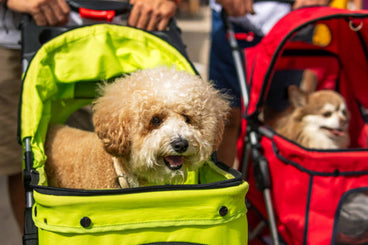
A dog booster seat is a padded, elevated car seat designed specifically for dogs—usually small or medium-sized breeds. It attaches securely to your vehicle’s seat and often includes built-in tethers to clip to your dog’s harness. The raised design allows your dog to look out the window while staying safely restrained.
Booster seats also add comfort, reduce motion sickness, and create a safe, cozy spot for travel.

What is a dog seat belt harness?
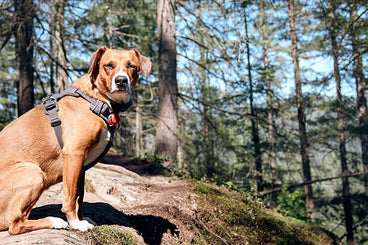
A seat belt harness is a crash-tested harness worn by your dog and connected to the car’s seat belt. It helps restrain your dog during sudden stops, preventing injury and distraction. Seat belts are ideal for dogs of all sizes and are usually paired with padded, no-pull harnesses for maximum comfort and control.
They reduce injury risk during collisions and keep your dog from roaming inside the car.

Do small dogs benefit more from booster seats?
Yes. Booster seats are especially helpful for small breeds like Chihuahuas, Dachshunds, Pomeranians, and Yorkies. Because they’re lightweight and sit lower in the seat, small dogs can’t see out the window—and may feel nervous or nauseous.
- Booster seats elevate your dog, reducing anxiety and car sickness
- They provide a secure, padded space that supports their body
- Built-in tethers prevent jumping or movement

Are seat belts alone enough for larger dogs?
For medium and large dogs a seat belt harness is often enough. Larger dogs don’t need the elevation of a booster seat and typically feel more secure lying flat on the seat or floor. Just make sure their harness:
- Is crash-tested or safety-certified
- Is padded to avoid chafing
- Fits properly and stays in place during movement

Shop Large Dog Safety Harnesses
Can I use both a booster seat and a seat belt?
Absolutely. The **safest combination for small dogs** is a booster seat with a built-in tether connected to a seat belt harness. Never clip the tether to a dog’s collar—it must be attached to a harness to prevent injury during braking or crashes.
This combo gives your dog security, comfort, and a clear view out the window without roaming around the car.
How do booster seats help with motion sickness?
Many dogs experience motion sickness during car rides, especially when they can’t see outside. Booster seats reduce nausea by:
- Elevating your dog to eye-level with the window
- Providing a stable, cushioned surface
- Limiting side-to-side swaying with restraints
If your dog often drools, pants, or vomits in the car, a booster seat may help them feel more stable and comfortable.

Shop Anti-Nausea Travel Booster Seats
Is a booster seat safe in case of an accident?
A high-quality booster seat can reduce injury risk in a crash when used correctly. Always choose a model with:
- Strong frame or reinforced walls
- Internal tether to attach to a harness
- Secure seatbelt loops or anchor straps
Combined with a crash-tested harness, a booster seat becomes a safe and effective option for small dogs.
When is a booster seat not necessary?
Booster seats aren’t needed for:
- Dogs over 25–30 lbs (too large for most models)
- Dogs who prefer lying flat or staying low
- Short drives where your dog remains calm
In these cases, a seat belt harness or secured travel crate may be a better fit.