Just like humans, dogs need protection in the car. As more pet owners take their dogs on road trips or daily drives, the use of dog seat belts has increased. But do they really help? In this blog, we explore how effective dog seat belts are at preventing injuries, how they work, and what to consider when choosing the right one for your furry friend.
Why is car safety important for dogs?
Dogs that roam freely inside moving vehicles are at serious risk. In sudden stops or crashes, an unrestrained dog can:
- Be thrown forward, causing injury or death
- Distract the driver and cause accidents
- Get ejected from the vehicle
- Escape during an emergency or after a collision
Restraining your dog with a seat belt reduces these risks dramatically.

Shop Crash-Tested Dog Seat Belts
How do dog seat belts work?
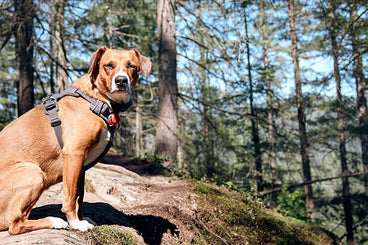
Dog seat belts typically connect a harness to the car’s seat belt system. Most designs clip into the seat belt buckle or loop around the seat. They work by:
- Restraining sudden movement during stops
- Keeping the dog in place during sharp turns or collisions
- Preventing the dog from jumping into the front seat
- Acting as a safety leash after accidents
A crash-tested harness offers the most reliable protection.

Shop Harness-Compatible Seat Belts
Are dog seat belts really effective in crashes?
Yes, but it depends on the quality of the product. Crash-tested dog seat belts that meet safety standards can protect dogs during sudden stops or moderate collisions. While they may not prevent all injuries in high-impact crashes, they greatly reduce:
- Forceful impact with car interiors
- Risk of ejection through windows
- Flying through the windshield
The Center for Pet Safety (CPS) tests and certifies seat belts for real crash protection.

Shop CPS-Certified Dog Seat Belts
What kind of seat belt is safest for dogs?
The safest seat belts are those designed with both restraint and comfort in mind. Look for:
- Crash-tested or safety-certified models
- Harness + tether combo (never just a collar clip)
- Adjustable length to prevent tangling
- Padded or wide straps for comfort
Never attach a seat belt to a dog’s collar—it can cause neck injuries during impact.

Do all dogs need seat belts, even for short trips?
Yes. Accidents and sudden stops can happen any time, even a few blocks from home. Whether you’re driving 5 or 50 miles, using a seat belt helps:
- Prevent distractions
- Protect the dog and passengers
- Provide peace of mind on every ride
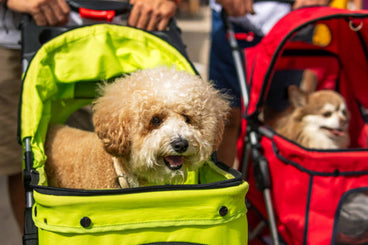
Small dogs may also benefit from booster seats combined with seat belts.

How should I install a dog seat belt?
Installation is simple, but must be done correctly:
- Clip the tether to the dog’s harness (not collar)
- Buckle or loop the seat belt securely into the car’s seat
- Adjust the length so your dog can sit, lie, or turn—but not jump or fall
- Test for secure attachment before driving
Rear seats are the safest place for your dog while traveling.

Shop Easy-Install Dog Seat Belts
What are the benefits beyond crash safety?
Besides preventing injuries, dog seat belts offer other advantages:
- Prevent driver distraction (jumping, barking in front seat)
- Calmer, more secure behavior during travel
- Quick tether after parking
- Legal compliance in some states or countries
Dogs quickly learn to relax and enjoy the ride once restrained properly.

Are there legal requirements for dog car safety?
Yes, in some places. Several U.S. states and European countries have laws requiring pets to be safely restrained in moving vehicles. Failing to comply could result in fines, liability, or pet injuries. Even where it’s not legally required, it's strongly recommended by vets and road safety groups.
Stay safe and legal by always buckling up your dog.

Shop Legal-Friendly Dog Seat Belts